OnlyFans
Year:
2024-2026
Service:
Fractional COO
Industry:
Retail / Apparel
Size:
42 employees
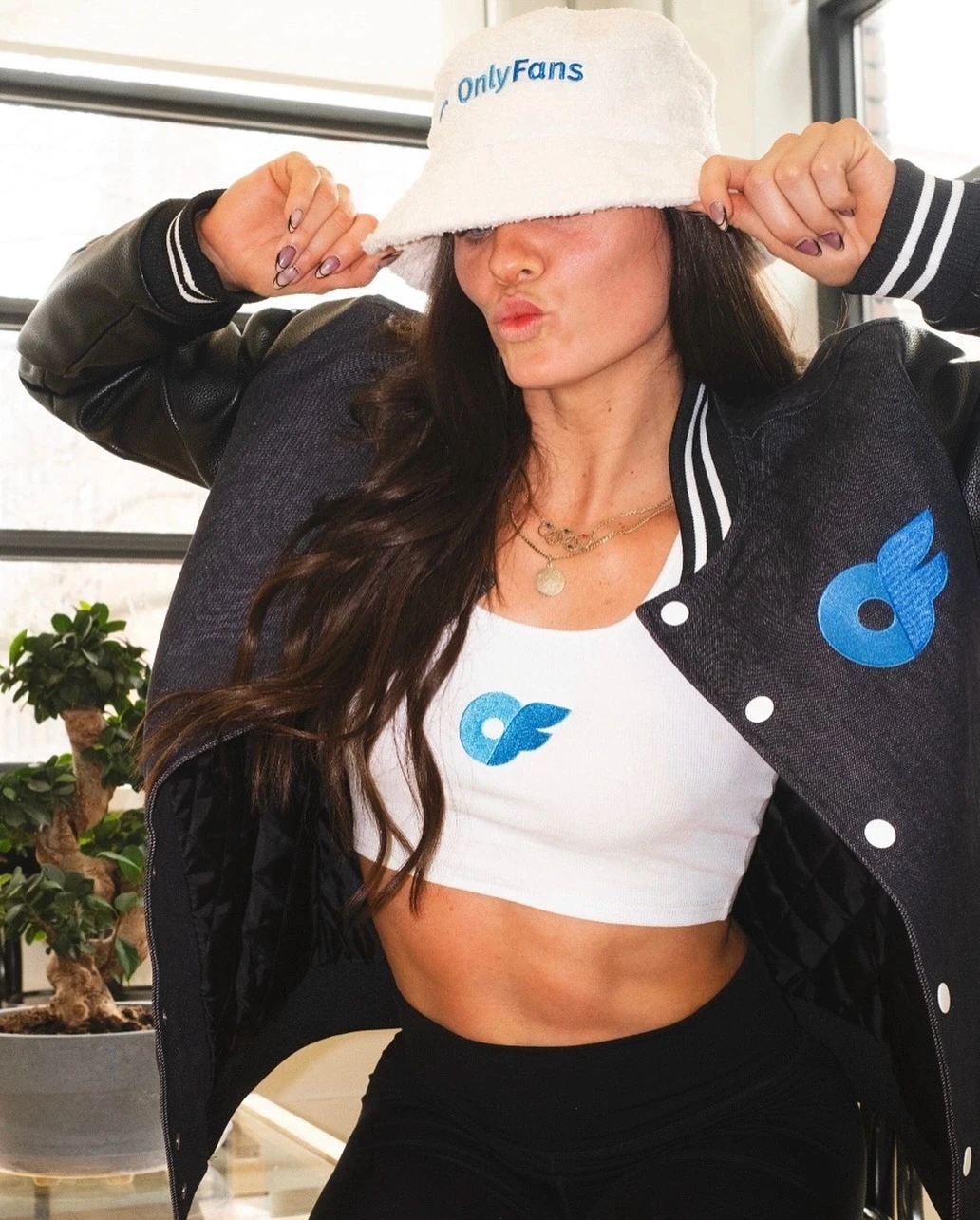
OnlyFans has generated $7.22 billion in fan spending. The goal was to increase the percentage of that spend captured through branded merchandise. We built the operation that made it possible.
Introduction
OnlyFans is one of the most commercially significant platforms of the last decade. Over 220 million registered users. $7.22 billion in total fan spending. A creator economy that has redefined how audiences connect with the people they follow.
But digital revenue and physical merchandise are different businesses. One scales infinitely. The other requires suppliers, factories, logistics, quality control, pricing architecture, and a supply chain that can move at the speed a brand like OnlyFans demands.
When OnlyFans decided to expand its merchandise operation into the UK, they needed someone to build and run the commercial infrastructure behind it. Not a consultant to advise on it. An operator to own it.
We came in as the fractional COO for the merchandise division and built it from the ground up.

Challenge
The opportunity was obvious. A platform with 220 million users and billions in fan spending represented an enormous untapped market for branded merchandise. The UK was the natural first market for a serious physical retail push - home turf, established logistics infrastructure, and a creator base that was already highly engaged.
The challenge was that OnlyFans had no existing merchandise operation capable of supporting the ambition. There was no supplier framework, no pricing architecture, no production governance, and no supply chain infrastructure built for UK and European fulfilment at scale.
Everything needed to be built. And it needed to be built fast enough to capture the commercial window without sacrificing the brand standards that a platform of this profile demands.
The risk of getting it wrong wasn't just operational. A poor product or a failed launch at this scale of brand visibility carries reputational consequences that go well beyond the merchandise division.
Solution
We took ownership of the entire merchandise operation and built it properly.
We started with the commercial model. Before a single supplier was approached, we mapped the full pricing architecture - working through the SKU mix, margin requirements, MOQ thresholds, and working capital constraints to establish exactly what the supply chain needed to deliver commercially. This meant every sourcing decision that followed was made against a clear financial framework, not intuition.
From there we built the supplier base. We identified and onboarded UK and European Tier-1 manufacturing partners capable of meeting the volume, quality, and speed requirements of the launch. Every factory went through a structured evaluation process before a purchase order was placed - quality standards, production capacity, lead time commitments, and financial stability all assessed upfront.
We then installed the production governance framework. Tech packs, quality sign-off processes, critical path management, supplier communication protocols. The kind of operational infrastructure that means problems get caught before they become expensive rather than after.
Throughout the engagement we managed the supplier relationships directly, ran the production calendar, and provided OnlyFans with full visibility across the operation — what was in development, what was in production, what was shipping, and where the numbers stood against the commercial targets.

Result
Phase one of the UK merchandise launch delivered:
£522,000 in new merchandise revenue. £49,000 reduction in COGS through strategic sourcing and margin engineering. A fully operational UK supply chain - supplier framework, production governance, and fulfilment infrastructure - built, tested, and ready to scale into Phase two.
The engagement proved what the opportunity had always suggested. A platform with OnlyFans' audience scale and fan spending behaviour represents significant merchandise revenue when the operation behind it is built properly.
The infrastructure we built in Phase one is the foundation the business now scales from.