US Tariff Refunds: How to Claim Back the 2025 IEEPA Duties

On 20 February 2026, the US Supreme Court ruled that the 2025 emergency tariffs imposed under IEEPA were unlawful. Not reduced. Not renegotiated. Unlawful from the start.
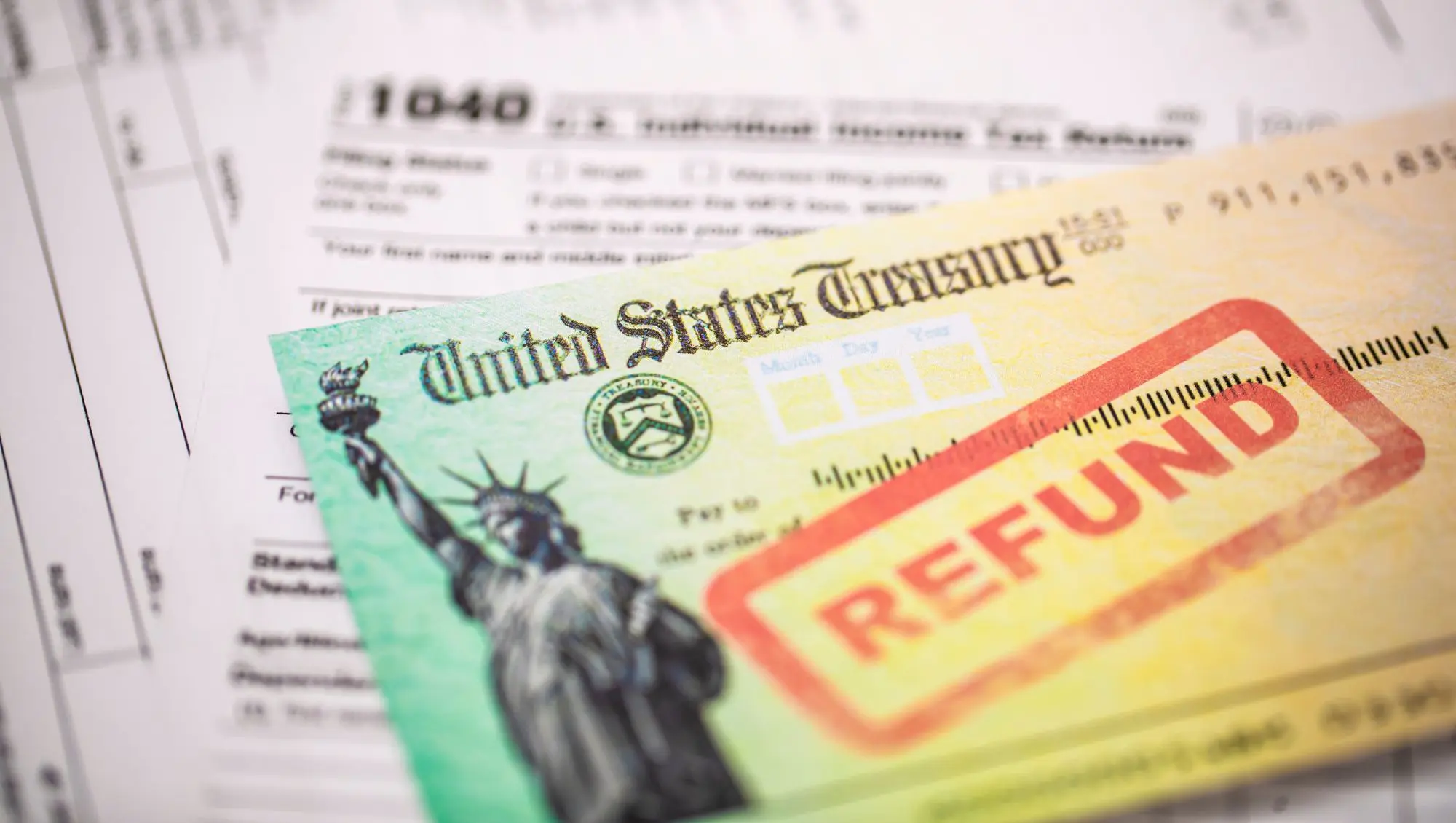
The Court of International Trade has since directed US Customs and Border Protection to refund the duties collected under that authority. The figure being ordered back is approximately $165 billion, spread across more than 330,000 importers and over 53 million entries.
If you run a DTC or ecommerce brand that imported product into the United States between February 2025 and February 2026, whether that was container loads into a 3PL or air freight into FBA, some of that money is very likely yours.
Now the catch. For a large share of DTC brands, the refund does not automatically flow to the brand at all. It flows to whoever was named as the importer of record. And if you shipped DDP from China, as most scaling DTC brands do, that may not be you.
What actually happened
Through 2025, imports into the US carried an extra layer of tariffs imposed under the International Emergency Economic Powers Act. On Chinese goods this included the so called trafficking tariffs and the reciprocal tariffs, stacked on top of the normal duty rates and the existing Section 301 China tariffs.
For most of 2025, that IEEPA layer added roughly 10 to 30 percent to the customs value of Chinese origin goods, depending on the period and the executive order in force at the time. If you scaled your US store through 2025, every unit you landed carried it. It sat inside your landed cost, compressed your contribution margin, and shaped every pricing and reorder decision you made that year.
The Supreme Court held, six votes to three, that IEEPA never gave the President the power to impose tariffs. The duties should never have been collected. The court system is now working through how to give the money back, and CBP has built a claims system called CAPE to process refunds electronically.
To be clear about what this does not cover. The long standing Section 301 China tariffs remain valid and are not refundable. The new 10 percent tariff imposed under Section 122 from late February 2026 is a separate authority and is not part of this. The refund opportunity is specifically the IEEPA layer paid on entries between February 2025 and February 2026.
What it could be worth
Run the rough maths on your own numbers. Take the customs value of everything you entered into the US in that window, then apply the IEEPA rates that were in force on your goods.
A DTC brand that landed $3 million of Chinese origin product across that period, roughly the import volume of a store doing $8 to 12 million in revenue at typical ecommerce margins, could plausibly be sitting on a six figure refund. A brand importing $10 million of product could be into seven figures. These are illustrative ranges, not promises, and the exact figure depends entirely on your entry records, your product codes and the rates in force on each shipment date. But the order of magnitude is real, and for most scaling brands it is the largest single recovery opportunity of the year.
Here is the uncomfortable part. Many of the brands owed the most have no idea, because the tariff never appeared as a line on their P&L. It was buried inside a door to door freight quote from their forwarder, the same WeChat quote that covered the container, the customs clearance and the delivery to the warehouse.
The DDP trap
Most DTC and ecommerce brands shipping from China buy their freight DDP. Delivered duty paid. One door to door price from the forwarder that covers the ocean or air freight, customs clearance, duty and tax, all the way to your 3PL or an Amazon FC. It is convenient, it is how the quotes arrive, and it is how most founders have always done it.
Under DDP, the customs entry is very often filed with the freight forwarder's US entity, or their broker's, named as the importer of record. Not your brand.
That single detail decides everything, because CBP refunds the importer of record. The CAPE system only accepts claims from the importer of record or the broker that filed the entries. If your forwarder's entity is on the entry summary, the refund for duties that you economically paid, inside your DDP price, lands in their account, not yours.
Your money still exists. You paid it. But your route to it is contractual, through the forwarder, rather than direct from CBP. And that conversation is considerably easier to have before the refund hits their bank than after.
This is the part of the story the law firm briefings barely touch, because they are written for importers of record. The DTC and ecommerce world largely is not the importer of record. It just pays as if it were.
Why speed matters
Three clocks are running.
First, protest deadlines. Entries liquidate on a rolling basis and importers generally have 180 days from liquidation to protest and preserve refund rights. Every week that passes, older entries fall out of the window.
Second, the claims queue. Over 330,000 importers are eligible and the brokers and trade teams that process claims are already at capacity. The claimants with clean, organised entry data get processed first.
Third, the policy environment keeps moving. The replacement 10 percent tariff under Section 122 is due to expire on 24 July 2026 and the administration has signalled further action under other authorities. The rules of the game will look different again by autumn. The refund window is the stable part, and it rewards the prepared.
What to do this week
Five moves, in order.
First, pull your entry records. Ask your freight forwarder or customs broker for the CBP Form 7501 entry summaries covering every US entry from February 2025 to February 2026. This is the document that names the importer of record and itemises the duties paid.
Second, check the importer of record box on every entry. If it is your company, you have a direct claim. If it is your forwarder or their agent, your claim runs through them, and you should put your position in writing now, before their refund arrives.
Third, quantify the IEEPA layer. Separate it from base duties and Section 301. This is the number your claim, or your reimbursement demand, is built on, and it is also the CSV that the CAPE portal asks for.
Fourth, register for electronic refunds with CBP if you are the importer of record, so there is nothing between a processed claim and your bank account.
Fifth, get specialist help. This is genuinely a job for a licensed customs broker or trade counsel, and given the sums involved, several will run it on a fixed or contingent fee. What matters is arriving with your records organised, because the queue rewards clean data.
The obligatory caveat, and it is a real one. This is not legal advice. The refund mechanics are still being litigated and the courts could yet change the shape of the process. What does not change is that brands with organised entry data and a clear view of who the importer of record is will recover faster and more fully than brands that wait for certainty.
The wider lesson
Whatever this recovers for you, it exposes something worth fixing. If you cannot answer, today, who the importer of record is on your US entries and exactly what duty you paid last quarter, then your landed cost model is running on trust rather than data, and so is every gross margin figure in your dashboard. The ecommerce brands that scale cleanly treat customs data the way they treat CAC or COGS. Owned, reconciled and negotiable.
We are running entry reviews for DTC and ecommerce brands right now, confirming importer of record status, quantifying the IEEPA layer and quarterbacking the recovery alongside trade counsel. If your brand imported into the US during 2025 and nobody in the business can tell you what your refund position is, that is the conversation to have this week.